October 8, 2026
The Best Southern Restaurant Experience in Pittsburgh, PA
By @emilianopcrq638

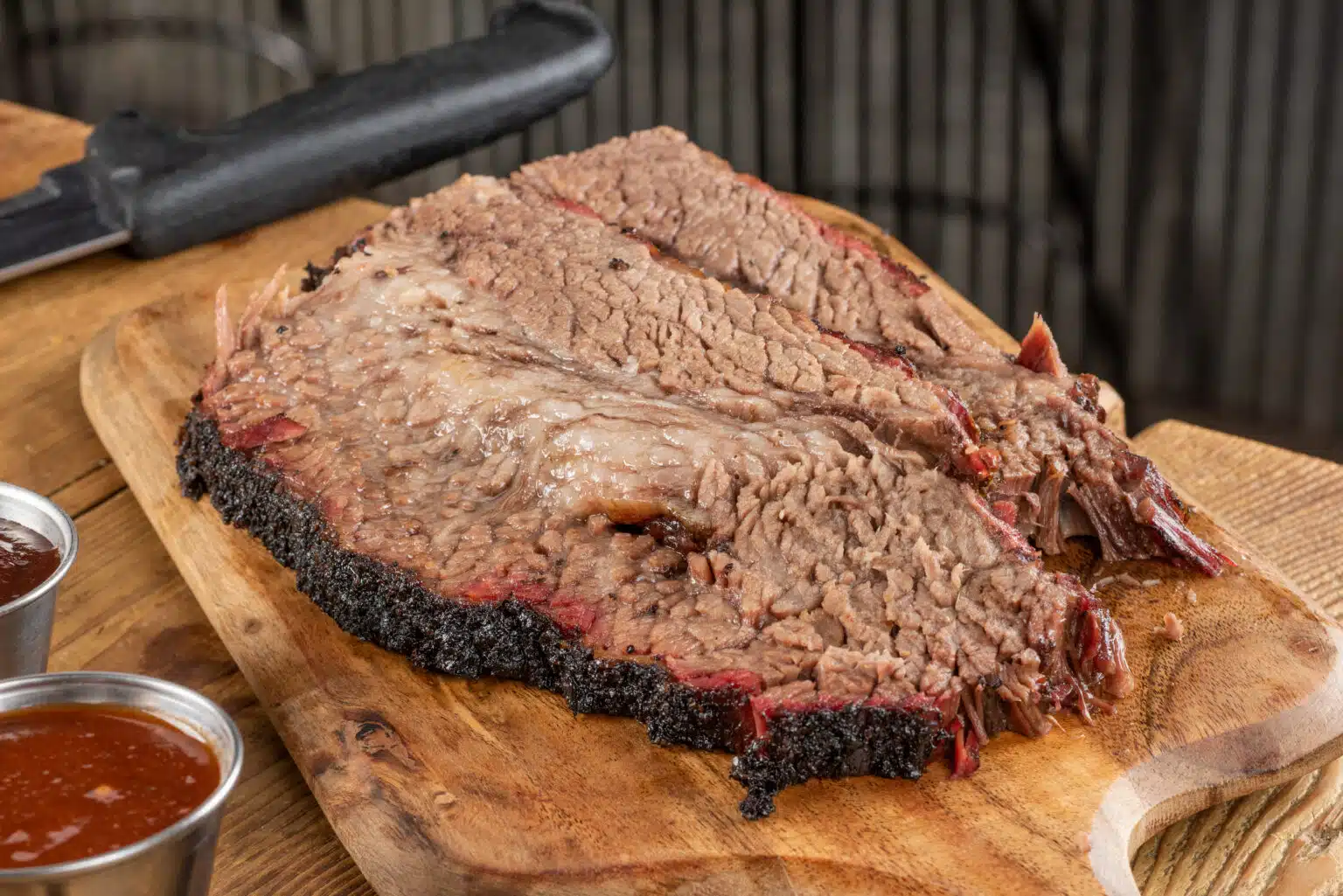
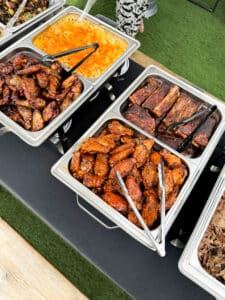
Finding a truly memorable Southern meal in Pittsburgh takes more than spotting fried chicken on a menu. A real Southern restaurant experience has a different kind of gravity to it. You feel it before the first plate hits the table. It starts with the room, the aroma of seasoned oil and simmering greens, the pace of service, the confidence of the kitchen, and the sense that somebody cared enough to get the details right. That matters because Southern food is often imitated, but it is not easy to fake. The dishes are familiar enough that most diners recognize the names, yet the gap between acceptable and excellent is wide.
In Pittsburgh, that gap stands out even more. This is a city with strong opinions about comfort food, neighborhood restaurants, and value. People here know when a place is all style and no substance. They also know when a kitchen understands soul, seasoning, patience, and hospitality. If you are looking for the best Southern restaurant experience in Pittsburgh, PA, it helps to know what separates a genuinely satisfying meal from a menu built on shorthand.
The answer is not just biscuits, mac and cheese, or a basket of wings dusted with Cajun seasoning. Southern cooking, at its best, is about restraint and depth at the same time. It should taste like somebody built each component with intention. The crust on the chicken should be audibly crisp but not thick or greasy. The collards should carry smokiness, bitterness, salt, and a little sweetness in balance. The cornbread should make sense with the rest of the meal, whether that means cakier and sweet or sturdier and more savory. Even the hot sauce selection says something about whether a restaurant understands the cuisine or is just borrowing the language.
What “best” really means in a Southern dining room
The best Southern restaurant experience is not always the fanciest one, and it is rarely the loudest. A polished dining room can be a plus, but Southern food tends to reveal itself in practical ways. Does the food arrive hot? Do fried items stay crisp long enough to finish the plate? Does the server know which side dish pairs well with rich mains and which sauces have actual heat? Does the kitchen understand that comfort food still needs contrast, acidity, freshness, and timing?
One of the first things I pay attention to is whether the menu has range without trying to cover the entire South in one pass. Restaurants get into trouble when they attempt to do Nashville hot chicken, Lowcountry shrimp and grits, New Orleans gumbo, Texas barbecue, and Delta catfish all at once. Those traditions overlap, but they are not interchangeable. A sharper restaurant narrows its focus, even if quietly. You can sense when a chef knows where the center of gravity lies. Maybe the house is strongest on fried chicken and biscuits, maybe seafood and grits, maybe braised meats and vegetables. The point is not to be encyclopedic. The point is to be persuasive.
In Pittsburgh, where diners often reward both generosity and personality, the best Southern restaurant usually succeeds by making people feel taken care of. That does not require old-fashioned formality. It requires warmth without theater. A good Southern dining room should feel relaxed but not careless, lively but not chaotic. If it leans upscale, the refinement https://claytonrcmn785.readspirex.com/posts/southern-restaurant-pittsburgh-pa-best-meals-for-first-time-visitors should sharpen the food rather than drain it of character. If it leans casual, the looseness should not become an excuse for weak service or sloppy execution.
Pittsburgh is a better city for Southern food than people assume
Pittsburgh’s food culture makes room for cuisines that deliver substance. This city has long appreciated hearty plates, slow cooking, and food with regional identity. That gives Southern restaurants a natural advantage, but only if they avoid becoming caricatures of themselves. Diners here are usually less interested in trend-chasing and more interested in whether the meal holds up from first bite to last. That is good news for any kitchen willing to do the work.
Seasonality matters, too. Southern food in Pittsburgh lands differently depending on the weather. On a cold evening, a bowl of gumbo or shrimp and grits can feel almost medicinal in the best sense, rich, warming, restorative. In late spring or summer, the same restaurant has to make room for brightness. Pickled vegetables, crisp slaw, lighter seafood dishes, lemonade cocktails, and desserts with fresh fruit start to matter more. A strong Southern restaurant in Pittsburgh understands this rhythm. It does not abandon its identity when the seasons shift. It adjusts the edges.
There is also the city’s scale to consider. Pittsburgh is large enough to support specialized restaurants, but intimate enough that word of mouth still matters. A Southern restaurant that consistently nails brunch, turns out dependable comfort food for dinner, and treats regulars well can earn a loyal following quickly. That loyalty is not built on novelty. It is built on trust. People return because they know the kitchen will hit the notes they came for.
The dishes that tell you whether a Southern kitchen is serious
If I want to understand a Southern restaurant fast, I look at the foundations. Fried chicken is an obvious benchmark, but not the only one. Biscuits are revealing because they expose technique. They cannot hide behind sauce or garnish. A proper biscuit should have a delicate structure and enough interior moisture to stand on its own. It should break apart cleanly, not crumble into dust or sit like a hockey puck on the plate. Butter helps, jam helps, honey helps, but they should feel like companions, not rescue tools.
Shrimp and grits is another dish that tells the truth. The grits should be properly cooked, not grainy and not so stiff that they mound like instant polenta. The shrimp should remain tender. The sauce, whether creamy, spicy, smoky, or tomato-based, should bind the dish without swallowing it. In weaker restaurants, shrimp and grits becomes a bowl of one-note richness. In a strong one, it has movement. You taste shellfish, corn, dairy, spice, maybe a little acid, maybe scallion or herbs. It feels complete.
Then there are the sides, which are often more revealing than the mains. Mac and cheese should have actual structure and seasoning, not just molten dairy weight. Collard greens need depth in the pot liquor. Candied yams should taste like sweet potato first, not just brown sugar. Black-eyed peas should be soft without turning muddy. Coleslaw has a quiet but important job: it gives the plate lift, crunch, and relief. When the sides are excellent, you know the kitchen respects Southern food beyond its marketable centerpieces.
Catfish is another reliable test. If a restaurant serves it, the fish should taste fresh and the coating should be intentional. Cornmeal has a different texture and flavor than standard flour dredge, and that choice changes the whole dish. Good catfish should taste earthy, clean, and crisp, not muddy or heavy. Tartar sauce, remoulade, chow-chow, pickles, or hot sauce can all work, but the fish has to hold its own.
Dessert, too, matters more than people admit. Banana pudding, bread pudding, peach cobbler, chess pie, or bourbon pecan pie may sound old-fashioned, but that is exactly the point. A restaurant that can finish strong shows discipline. Dessert should feel like part of the same story, not an afterthought outsourced to the freezer.
Service is half the experience, especially with comfort food
Southern food asks for a certain style of service. Not formal, not stiff, and not overfamiliar either. The best servers in this setting understand pacing. They know which dishes are especially filling. They know when to steer a two-top away from ordering three starch-heavy sides and toward something brighter. They know that a guest trying Southern food for the first time may need a little guidance on heat levels, portion sizes, or regional distinctions.
The service should feel confident rather than rehearsed. A good recommendation sounds like experience, not memorization. “The chicken is our most popular dish” tells me nothing. “If you want the crispiest thing on the menu, go with the chicken, but if you want something richer and slower, the smothered pork is where the kitchen really shows off” tells me the staff is paying attention. That kind of guidance improves the meal and signals that the restaurant has standards.
Hospitality also shows up in small corrections. Fresh napkins offered without asking, water glasses noticed before they empty, extra plates arriving quickly when the table starts sharing. Southern food is tactile and communal. People pass sides around. They steal bites. They ask for more hot sauce. A restaurant that anticipates those habits creates the feeling people remember long after the meal ends.
Ambience should support the food, not perform it
There is a temptation with Southern restaurants to overdecorate the concept. Mason jars, reclaimed wood, slogans on the wall, a little too much sepia nostalgia. Sometimes that works in moderation, but the best rooms usually show more restraint. They let the food carry the emotional weight.
For a Southern restaurant in Pittsburgh, PA, the right ambience often means warmth and ease. Lighting should flatter the room and make the food look alive. Music should contribute energy without forcing everyone to shout. Seating should be comfortable enough for a long meal, especially if the menu encourages sharing or leisurely brunch service. Cleanliness matters more than almost any design flourish. If a restaurant wants to serve sticky ribs, buttery biscuits, or syrup-covered chicken and waffles, guests should never feel like the room itself is sticky.
Bar programs can elevate the experience when done thoughtfully. Bourbon is an obvious fit, but a serious beverage menu goes beyond token pairings. Cocktails with peach, lemon, mint, tea, cane syrup, or spice can frame Southern dishes beautifully if they are balanced and not cloying. Beer matters, too, especially with fried food. A crisp lager or a clean pale ale can do more for a meal than a sweet cocktail that competes with the plate.
Brunch can be the gateway, but dinner proves the point
Many diners meet a Southern restaurant at brunch first. That makes sense. Chicken and waffles, biscuits and gravy, shrimp and grits, and sweet brunch cocktails are easy entry points. A packed brunch service can also create buzz fast. But brunch is not always where the best version of a Southern kitchen reveals itself.
Dinner requires more range and more discipline. It is one thing to produce a strong biscuit sandwich and potatoes before noon. It is another to execute fried chicken for a full dining room at night while keeping the coating crisp, the meat juicy, and the sides consistent table after table. Dinner also exposes whether the restaurant can handle braises, gravies, seafood, vegetable cookery, dessert pacing, and drinks in a more demanding rhythm.
That said, brunch does tell you something important: whether the restaurant understands pleasure. Southern food should not feel dutiful. At brunch, especially, it should offer a little generosity, maybe a little indulgence, but not a pile-on of sweetness and fat with no balancing force. The better restaurants know when to cut richness with acid, salt, or spice. A pickle on the plate can matter as much as the waffle beneath the chicken.
What to look for when choosing where to go
If you are comparing Southern restaurants around Pittsburgh, it helps to read the menu with a practical eye rather than chasing the broadest selection. Menus often reveal priorities. If every dish sounds familiar but nothing sounds specific, that can be a warning sign. If the sides are generic, the desserts are thin, and the appetizers lean heavily on fried fillers, expectations should stay measured.
A more promising menu usually has a few signs of focus:
- It shows confidence in a handful of core dishes rather than dozens of regional references.
- The sides sound considered, not obligatory.
- There is at least one dish that depends on slow cooking or careful sauce work.
- The beverage program seems designed to pair with the food.
- Dessert reads like part of the house identity, not just a checkbox.
That list is not foolproof, but it reflects how experienced diners often separate genuine Southern cooking from broad comfort-food branding.
Photos can help, though they should be read skeptically. Look for crust color, sauce texture, portion balance, and plating that suggests the kitchen knows when to stop. Southern food should be generous, yes, but not shapeless. Mountains of beige do not signal mastery. Good Southern plates usually show contrast. Dark greens beside golden crust, creamy grits under bright shrimp, a biscuit with visible layers, slaw with actual crunch and color.
The trade-offs between authenticity and adaptation
Whenever Southern food appears outside the South, the word authenticity enters the conversation quickly. It matters, but it can also flatten the discussion. Southern cuisine is not one thing. It spans states, histories, ingredients, migration patterns, and cooking traditions that do not always agree with one another. So the real question is not whether a Pittsburgh restaurant replicates every detail of one original context. The better question is whether it cooks with understanding.
Adaptation is not the problem. Carelessness is. A restaurant may source local ingredients, adjust seasoning for a broader audience, or bring a more modern presentation to the table. None of that automatically weakens the food. Problems begin when adaptation strips away the logic of the dish. If shrimp and grits becomes a decorative tower with undercooked grains, or collards become an underseasoned garnish, the restaurant has lost the point.
Pittsburgh diners are often open to interpretation as long as the meal still satisfies on its own terms. If a chef wants to bring Appalachian overlap into a Southern menu, or fold in local produce and regional beer, that can be exciting. There is real historical and culinary conversation between those traditions. What matters is whether the result tastes coherent rather than confused.
Price, portions, and value
Southern food carries a reputation for generosity, and many people judge value by portion size alone. That is understandable, but it misses the fuller picture. The best Southern restaurant experience in Pittsburgh, PA should leave you feeling you spent wisely, not merely heavily. A huge plate of mediocre food is rarely a bargain. A well-portioned plate with carefully cooked components, attentive service, and a room you want to return to often is.
Still, portion expectations are real. If a restaurant charges upscale prices, guests will expect more than polished plating. They will expect strong ingredients, technical execution, and enough quantity to feel satisfied. Fried chicken especially is unforgiving in this regard. Nobody wants to pay premium prices for small pieces with too much crust and not enough meat. The same goes for shrimp and grits with only a few shrimp floating in a bowl of starch.
The smart restaurants understand that value can come from structure as much as scale. A meal feels worthwhile when the sides are substantial, the bread service is thoughtful, cocktails are balanced, and leftovers are possible without the food collapsing by the next day. Southern food often travels well, which can quietly improve the value proposition for diners taking home part of their meal.
Why the best Southern meals linger in memory
A great Southern restaurant does more than feed people. It creates a specific kind of ease. The flavors are direct, but the craft underneath them is not simple. To make food taste this comforting, somebody had to sweat details that most guests never see. Brines, seasoning blends, stock pots, smoke, heat management, dough handling, holding times, pan choices, and service timing all affect what eventually feels effortless on the plate.
That is why the best Southern meals tend to stay with people. You remember the biscuit that shattered softly instead of crumbling. You remember the greens that had enough vinegar to wake up the whole table. You remember the fried chicken that stayed juicy to the bone. You remember that dessert seemed impossible after dinner, yet somehow disappeared. You remember a server who guided the table well and never rushed the second round of drinks. None of those details alone defines excellence, but together they create it.
For Pittsburgh diners, the strongest Southern restaurant experience is usually the one that understands both the cuisine and the city. It respects Southern traditions without turning them into costume. It recognizes that Pittsburgh values honesty, warmth, and substance. It gives guests food that tastes lived-in, not focus-grouped. It makes comfort feel skillful again.
When a Southern restaurant gets all of that right, the city responds. People bring family. They return for brunch and come back for dinner. They order the same side every time because it never misses. They recommend the place carefully, not because it is trendy, but because they trust it. That is the clearest sign you have found something special. Not just a place serving Southern food, but a place delivering the kind of Southern restaurant experience Pittsburgh actually deserves.
Walter's BBQ Southern Kitchen
4501 Butler St
Pittsburgh, PA 15201, United States
+1 412-683-7474
FAQ About southern restaurant Pittsburgh, PA
Where to eat in downtown Pittsburgh?
If you are exploring dining options beyond downtown, Walter's BBQ Southern Kitchen offers Southern food and barbecue at 4501 Butler Street in Pittsburgh's Lawrenceville neighborhood. It is outside downtown, so allow travel time when planning your visit.
What is a must eat in Pittsburgh?
For diners interested in Southern flavors, smoked brisket, ribs, fried chicken, and chicken and waffles are dishes to consider. Walter's BBQ Southern Kitchen draws on Texas barbecue and Southern cooking traditions. Check the current menu for the dishes available during your visit.
What are some of Pittsburgh's unique restaurants?
Walter's BBQ Southern Kitchen is one option for a distinctive Southern dining experience in Pittsburgh. Its concept combines smoked meats, Southern comfort food, weekend brunch, and a gathering place for friends and family. The restaurant is located on Butler Street in Lawrenceville.
❧