October 8, 2026
The Charm of Dining at a Southern Restaurant in Pittsburgh, PA
By @emilianopcrq638
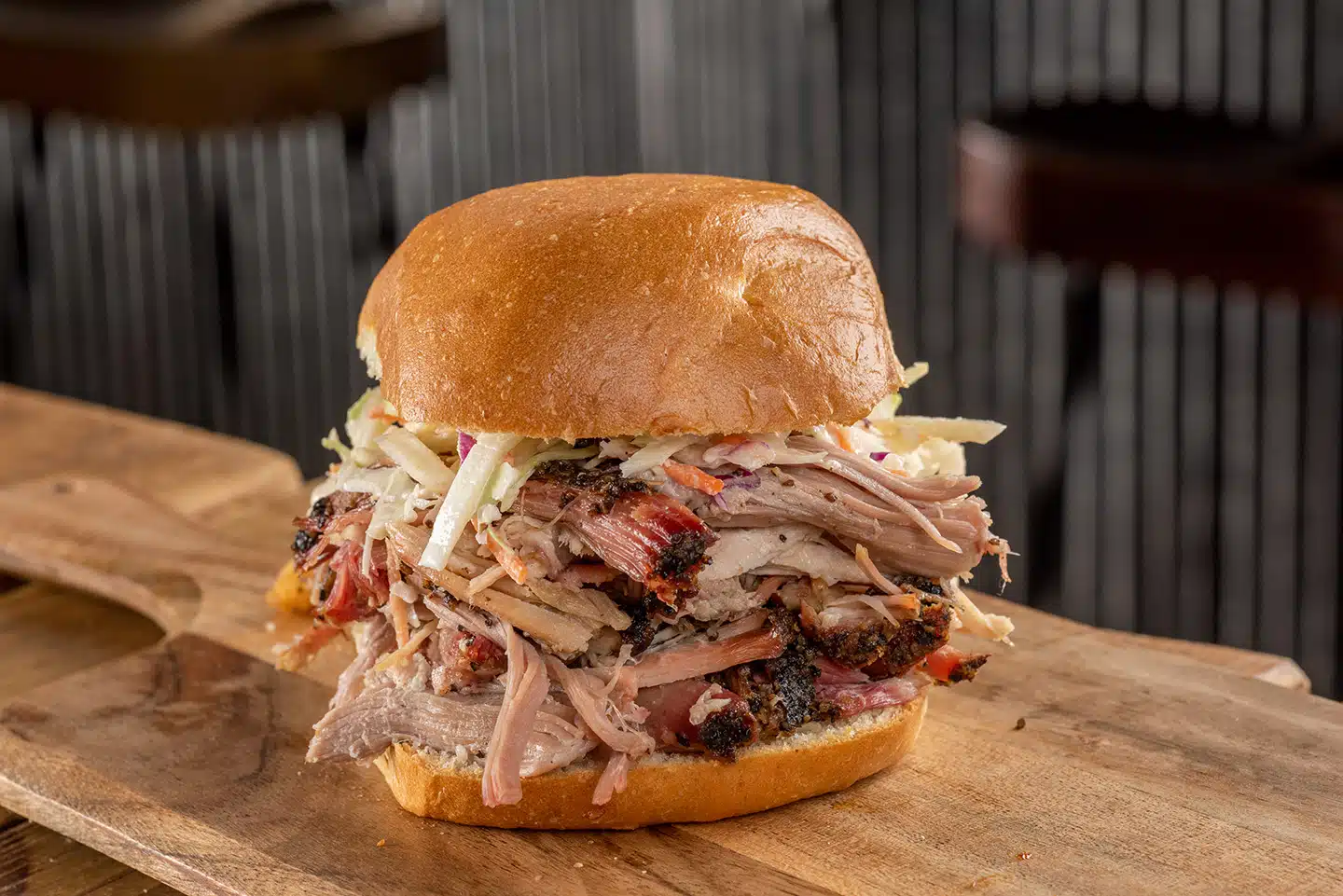
Pittsburgh is not the first city many people name when they think about Southern food, and that is part of the appeal. The surprise sharpens the experience. You walk through a neighborhood shaped by steel, rivers, brick storefronts, and old rowhouses, then sit down to a plate that smells like cast iron, slow braising, black pepper, butter, smoke, and spice. A good Southern meal in this setting feels less like a novelty and more like a conversation between regions.
That is the real charm of dining at a southern restaurant in Pittsburgh, PA. It is not just about ordering fried chicken or shrimp and grits. It is about how a cuisine rooted in hospitality, thrift, patience, and memory finds a home in a city that understands hard work, family traditions, and the value of a meal that leaves you full in every sense of the word. The best versions of this experience are warm without being fussy, indulgent without being careless, and comforting without becoming predictable.
Southern restaurants live or die by details that many diners feel before they can name them. The lighting matters. The pace matters. The greeting at the door matters. So does the sound of a dining room where people are actually enjoying themselves, not just taking pictures of their cocktails. When those things line up, a meal gains that rare quality people tend to describe as soulful, even if they are not exactly sure why.
Why Southern food resonates in Pittsburgh
Pittsburgh has always had an honest appetite. This is a city that respects portions, depth of flavor, and meals with backbone. Even as the dining scene has become more refined over the past two decades, there is still a broad appreciation for food that feels rooted in everyday life. Southern cooking fits that instinct beautifully.
Consider the overlap in culinary values. Pittsburgh knows its way around hearty dishes, long-simmered sauces, cured meats, potatoes, greens, beans, and bread that has to do real work on the plate. Southern cuisine comes from many traditions, but a large part of its power lies in transformation. Tough cuts become tender. Humble staples become memorable. A simple pan sauce can carry a whole meal. That logic makes sense in western Pennsylvania, where practical cooking has long been treated with respect.
There is also a social rhythm to Southern dining that suits Pittsburgh. Many of the city’s best meals are not rushed. They invite you to linger, to split a starter, to talk over another round, to debate dessert and then order it anyway. Southern food supports that mood. A basket of biscuits naturally slows a table down. So does a rich plate of gumbo, or chicken and waffles done properly, or mac and cheese that arrives bubbling at the edges. These are not meals designed for speed. They ask for attention.
The first thing you notice is often not the food
People often talk about Southern cuisine as comfort food, which is true, but the phrase can flatten the full experience. Comfort in a good Southern restaurant begins before the first bite. It starts with ease. You should feel welcomed rather than processed. You should feel that someone in the room cares whether your table has what it needs.
In Pittsburgh, where neighborhood identity still matters, that sense of welcome carries extra weight. The strongest restaurants tend to reflect their surroundings while offering a distinct point of view. A Southern spot tucked into Lawrenceville may feel different from one downtown or on the North Side, but the essential pleasure remains the same: you are entering a place with its own pace and personality.
There is a practical dimension to this too. Southern food can be rich, salty, fried, creamy, smoky, or all of the above. Service matters because diners often benefit from a little guidance. A good server knows when to steer a table toward balance, perhaps pairing a heavier entrée with something bright and acidic, or suggesting a side of greens to cut through a richer plate. That kind of judgment is not flashy, but it can turn a good dinner into an excellent one.
What makes Southern cooking worth seeking out
There is a difference between food that imitates Southern classics and food that understands them. The distinction usually shows up in texture, seasoning, and restraint. Too many places chase the broad idea of comfort and miss the craft. Real Southern cooking, even at its most casual, depends on precision.
Fried chicken is the easiest example because everyone thinks they know it. Yet truly good fried chicken is difficult. The crust has to cling. The seasoning has to penetrate beyond the surface. The meat must stay juicy. The frying temperature needs to be steady enough to avoid greasy coating and dry flesh. When a kitchen gets that right, you can taste competence immediately. The crunch sounds clean. The interior stays tender. The seasoning is present from first bite to last, not just dusted on top as an afterthought.
The same is true of shrimp and grits. This dish suffers when treated lazily. Grits should not be a bland, gluey base. They need structure, creaminess, and enough salt to stand up to the shrimp. The shrimp themselves should be cooked just to the point of firmness, not one second beyond. The sauce, whether built from stock, butter, cheese, tasso, tomato, or pan drippings, has to tie the elements together without drowning them.
Then there are sides, which are never secondary in serious Southern cooking. Greens should carry depth, not just bitterness. Cornbread should have character, with a crust that announces the skillet and an interior that is moist but not cakey. Black-eyed peas, candied yams, mashed potatoes, coleslaw, and red beans all reveal whether a kitchen understands seasoning in layers. Anyone can make something rich. Far fewer can make it balanced.
The best Southern meals balance indulgence with discipline
One of the biggest misconceptions about Southern food is that more is always better. More butter, more sugar, more breading, more cheese. That approach may win a quick reaction, but it usually creates a meal that feels heavy in the wrong way. The best Southern restaurants, including those in Pittsburgh that have earned loyal followings, understand that comfort needs contrast.
Acid is one of the quiet heroes of the table. Pickles, vinegary slaw, hot sauce, pepper vinegar, a squeeze of lemon over fried catfish, these details keep the palate awake. Heat plays a similar role when used wisely. A little cayenne or a measured dose of hot sauce can make creamy dishes feel more alive, not just hotter.
Texture matters just as much. Crisp crust against soft biscuit. Silky grits next to snappy sautéed shrimp. Creamy mac and cheese paired with greens that still have some chew. Southern food becomes memorable when each part of the plate earns its place.
This is where a southern restaurant in Pittsburgh, PA can surprise people who arrive expecting only abundance. Yes, portions often satisfy. Yes, there is comfort and richness. But the restaurants that create repeat customers are usually the ones that also show discipline. They know when to stop. They let technique, not excess, carry the meal.
A city of seasons changes the Southern dining experience
Pittsburgh’s weather adds another layer to the appeal. Southern food lands differently in January than it does in June, and that range actually helps the cuisine show its versatility.
In cold months, braised dishes, biscuits and gravy, chicken fried steak, gumbo, and slow-cooked beans feel especially right. There is a psychological comfort to warmth that goes beyond temperature. After a day of gray skies, slush, and wind coming off the rivers, a meal with depth and heat can feel restorative. It is not subtle, and it does not need to be.
When spring and summer arrive, Southern food shifts gears. Fried green tomatoes, pimento cheese, deviled eggs, grilled meats, catfish, and vegetable-driven plates start to shine. The brightness of fresh herbs, tomatoes, corn, okra, cucumbers, and peaches reminds diners that Southern cooking is not only about winter-level richness. At its best, it also celebrates produce, field peas, orchard fruit, and the kind of straightforward cooking that tastes strongest when ingredients are allowed to be themselves.
That seasonal flexibility matters in Pittsburgh, where diners respond well to menus that feel grounded in time and place. A restaurant that can honor Southern culinary traditions while adapting to the region’s seasonal rhythms often feels more genuine than one that treats the cuisine as a static collection of clichés.
Hospitality is part of the meal, not an accessory
The word hospitality is overused in restaurant writing, but Southern dining gives it real substance. In a strong Southern restaurant, hospitality is not about forced friendliness. It is about attention, timing, and generosity of spirit.
Water glasses do not sit empty for long. Plates arrive hot. Questions are answered directly. Recommendations feel informed rather than scripted. If there is a wait, it https://johnathanybrx314.westhavenscope.com/posts/southern-restaurant-pittsburgh-pa-top-menu-items-for-new-guests is handled with calm. If a dish runs rich, someone may suggest a cocktail or beer that rounds it out. If you are sharing, plates are paced so the table can enjoy the rhythm of the meal instead of feeling buried under too much food at once.
This matters in Pittsburgh because locals can spot insincerity quickly. The city has always had a practical streak. Polished service is appreciated, but performative service is not. Southern hospitality works best here when it feels authentic, confident, and unpretentious.
I have often found that diners remember these touches as clearly as the food itself. The extra napkins delivered before anyone asks. The biscuit basket refilled at the right moment. The server who warns, accurately, that the side order is larger than it sounds. These are small acts, but they shape trust. Trust is a powerful ingredient in a restaurant experience.
Drinks deserve more attention than they usually get
A lot of people approach Southern food with a simple drinks strategy, beer for fried food, sweet tea for nostalgia, maybe bourbon if the restaurant leans serious. All of that can work, but the pairings can be more interesting than many diners expect.
Bourbon remains a natural fit because its vanilla, caramel, oak, and spice notes echo many Southern flavors. But a good cocktail list can widen the meal. Something citrus-driven can sharpen a rich appetizer. A drink with bitterness can counter sweetness in barbecue glaze or candied vegetables. Even sparkling wine, often overlooked in this context, can do wonders with fried chicken or creamy grits because the acidity and bubbles reset the palate.
Nonalcoholic choices matter too. Fresh lemonade, unsweetened iced tea, house-made sodas, and thoughtfully prepared coffee can change the shape of the evening. Sweet tea may be iconic, but it should be treated carefully. Overly sweet tea can flatten the meal, especially when the food already leans rich or salty. A balanced version, or the option to control sweetness at the table, serves diners far better.
Southern desserts still know how to make an entrance
People who claim they are too full for dessert often change their minds when the dessert menu includes banana pudding, pecan pie, peach cobbler, bread pudding, or hummingbird cake. Southern desserts have an old-fashioned confidence about them. They do not need reinvention to satisfy. What they need is execution.
A pecan pie should not be one-dimensional sugar. It needs toasted nuttiness, a filling with body, and enough salt to keep the sweetness honest. Banana pudding should feel layered, not collapsed into mush. Bread pudding requires a delicate line between custardy and soggy. Peach cobbler depends on fruit that still tastes like itself, not just cinnamon and syrup.
Dessert can also reveal whether a restaurant understands pacing. If the savory part of the menu is heavy, the best ending may be smaller, brighter, or more textural. A scoop of buttermilk ice cream with a warm tart can leave a more elegant impression than the biggest possible slice of cake. Again, the issue is judgment.
What diners should look for when choosing where to go
Not every Southern restaurant aims for the same experience, and that is a good thing. Some focus on brunch, where chicken and waffles, biscuits, sausage gravy, and grits dominate. Others lean into dinner, with braises, seafood, smoked meats, and whiskey programs. Some are casual and fast-moving. Others treat Southern cuisine with a more polished dining room approach.
A few signs usually separate a promising spot from a forgettable one:
- The menu shows restraint, rather than trying to represent every Southern dish at once.
- Sides get as much care as entrées.
- The seasoning has confidence, especially with salt, acid, and heat.
- The room feels relaxed, not themed to the point of parody.
- Staff can explain dishes clearly and make recommendations that fit the table.
That last point is worth lingering on. Southern food carries deep regional differences, and many dishes have multiple legitimate versions. Grits in one kitchen may be cheesier than another. Cornbread may skew sweeter or more savory. Greens may have more pot liquor, smoke, or pepper depending on the cook’s perspective. A good restaurant does not hide those choices. It owns them.
The pull of memory, even for people without Southern roots
One of the more interesting things about Southern food in Pittsburgh is how often it creates recognition in people who did not grow up with it. Not every diner has family ties to the South, but many have some version of memory that the food can touch. Maybe it is Sunday supper. Maybe it is a grandmother’s skillet, a church potluck, a summer picnic, a long-simmering stew, or the smell of onions softening in butter. The emotional bridge does not have to be literal to feel real.
That helps explain why Southern restaurants can earn local affection beyond novelty. They offer food with emotional range. A plate can be celebratory, restorative, nostalgic, or just deeply satisfying on a weeknight when someone wants dinner to feel like care. In a city where restaurant loyalty still means something, that emotional dimension matters.
Pittsburgh gives Southern cuisine a different kind of stage
There is no need to pretend Pittsburgh is trying to become Nashville, Charleston, or New Orleans. It does not need to. Part of the pleasure of Southern dining here comes from contrast. The city’s industrial history, steep hills, weather shifts, and fiercely local identity make the food feel newly contextualized. You are not eating Southern food as a souvenir of travel. You are seeing how a cuisine built on generosity and craft can take root in a place with its own strong traditions.
That interplay often produces thoughtful adaptations. A chef may source local produce, use regional meats, or shape the menu around Pennsylvania seasons while preserving the logic of Southern technique and flavor. Done well, this is not dilution. It is respect in action. Cuisines stay alive when cooks understand their foundations well enough to express them honestly in new settings.
The experience lingers because it engages more than appetite
A memorable Southern meal in Pittsburgh tends to stay with people for reasons that go beyond flavor. It leaves a sensory trail. The crackle of crust, the steam from a fresh biscuit, the vinegar in the greens, the sweetness of cornbread, the deep color of gravy, the glow of a dining room on a cold evening. Even the sound of a table briefly going quiet after the first bite says something important.
That is the enduring charm. A southern restaurant in Pittsburgh, PA offers more than regional dishes on a menu. At its best, it gives diners a complete experience shaped by patience, generosity, skill, and pleasure. It brings comfort without laziness, tradition without stiffness, and abundance without losing control. In a city that has always valued food with sincerity and substance, that combination feels right at home.
When Southern cooking is handled with care, it does not need gimmicks or nostalgia as a crutch. It has enough depth on its own. And in Pittsburgh, where diners appreciate honesty in both flavor and atmosphere, that depth can be especially rewarding. A good plate of shrimp and grits or fried chicken might draw someone in the first time. The feeling of being genuinely fed, warmly received, and pleasantly surprised is what brings them back.
Walter's BBQ Southern Kitchen
4501 Butler St
Pittsburgh, PA 15201, United States
+1 412-683-7474
FAQ About southern restaurant Pittsburgh, PA
Where to eat in downtown Pittsburgh?
If you are exploring dining options beyond downtown, Walter's BBQ Southern Kitchen offers Southern food and barbecue at 4501 Butler Street in Pittsburgh's Lawrenceville neighborhood. It is outside downtown, so allow travel time when planning your visit.
What is a must eat in Pittsburgh?
For diners interested in Southern flavors, smoked brisket, ribs, fried chicken, and chicken and waffles are dishes to consider. Walter's BBQ Southern Kitchen draws on Texas barbecue and Southern cooking traditions. Check the current menu for the dishes available during your visit.
What are some of Pittsburgh's unique restaurants?
Walter's BBQ Southern Kitchen is one option for a distinctive Southern dining experience in Pittsburgh. Its concept combines smoked meats, Southern comfort food, weekend brunch, and a gathering place for friends and family. The restaurant is located on Butler Street in Lawrenceville.
❧